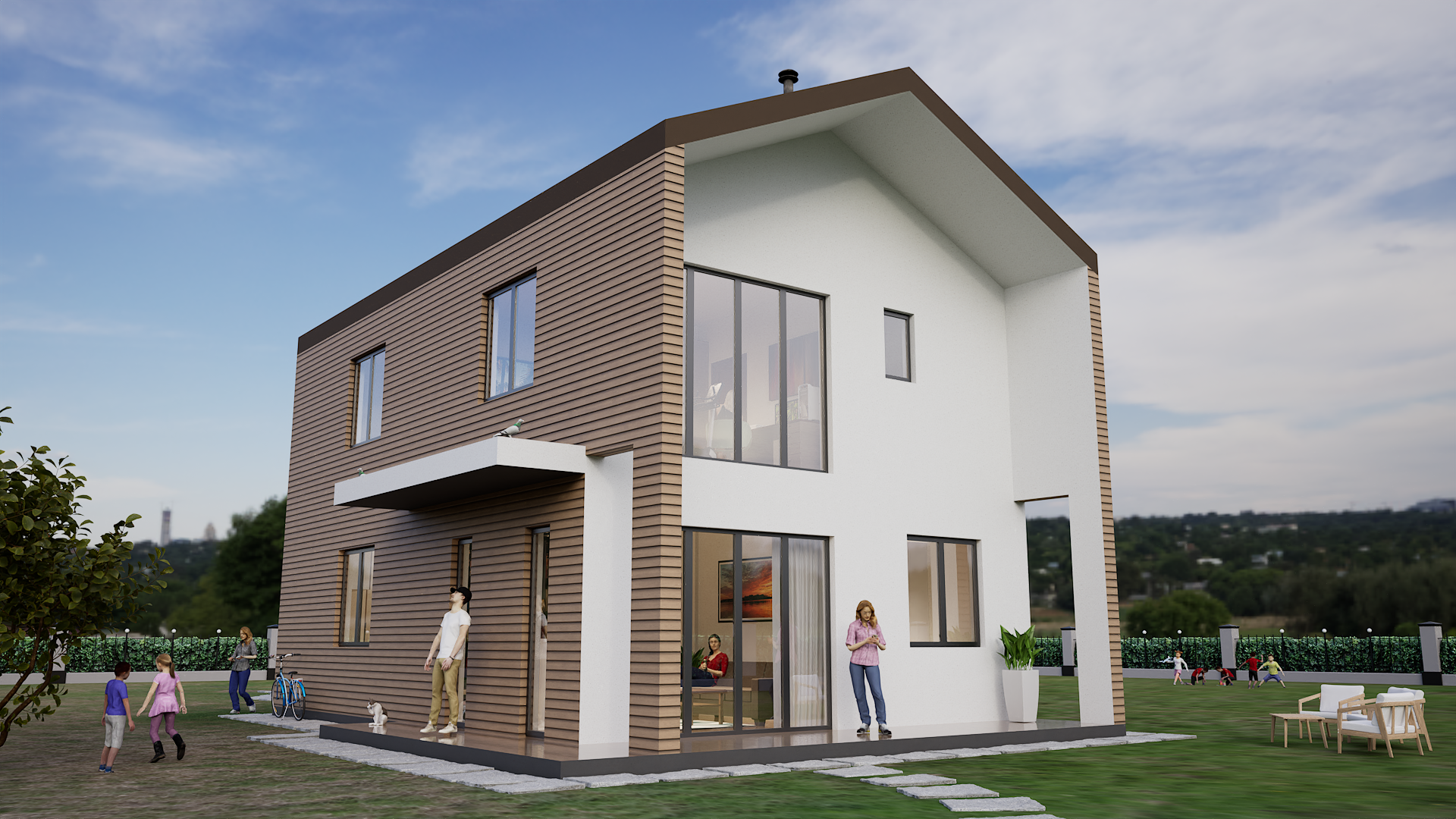
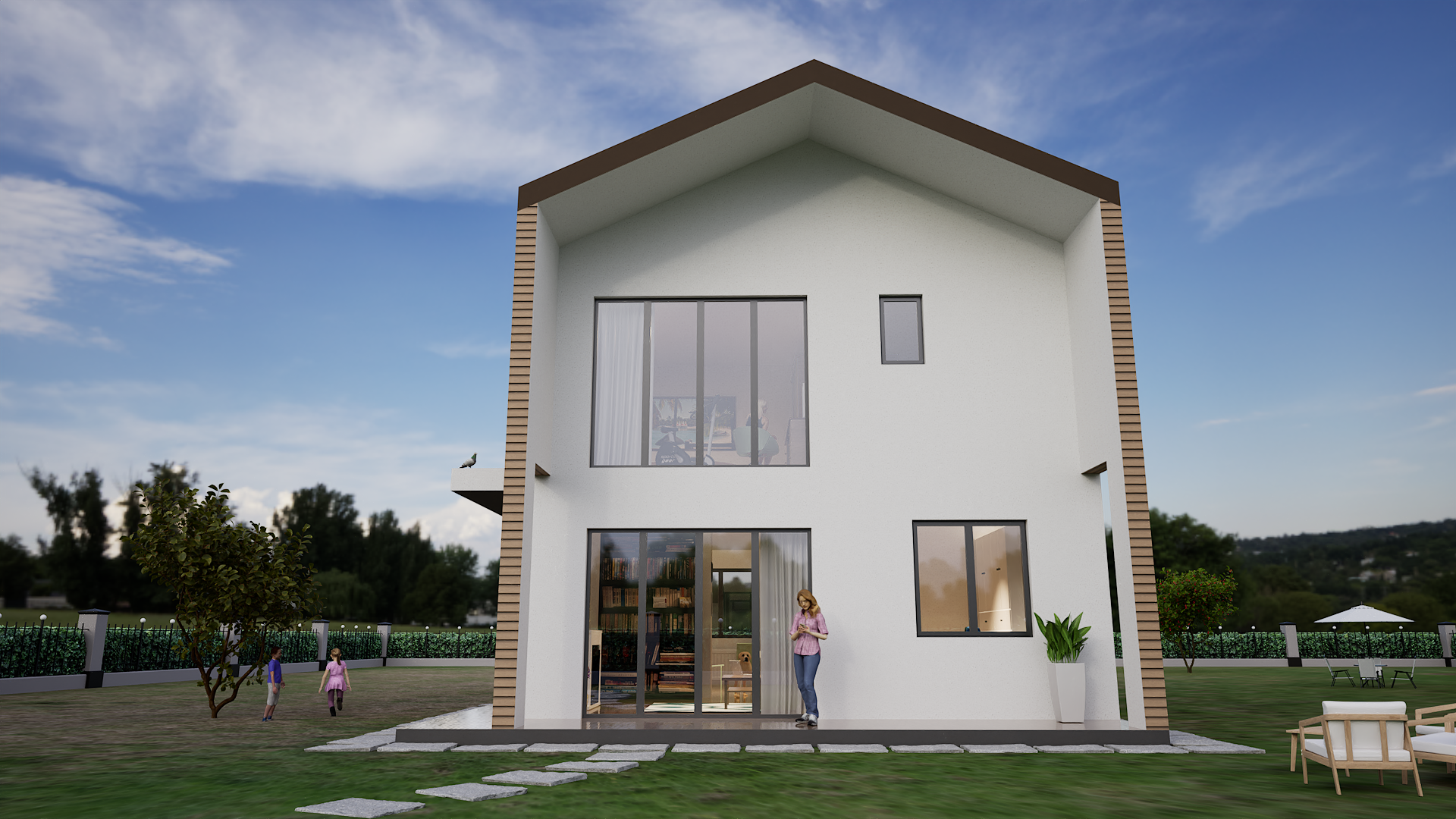
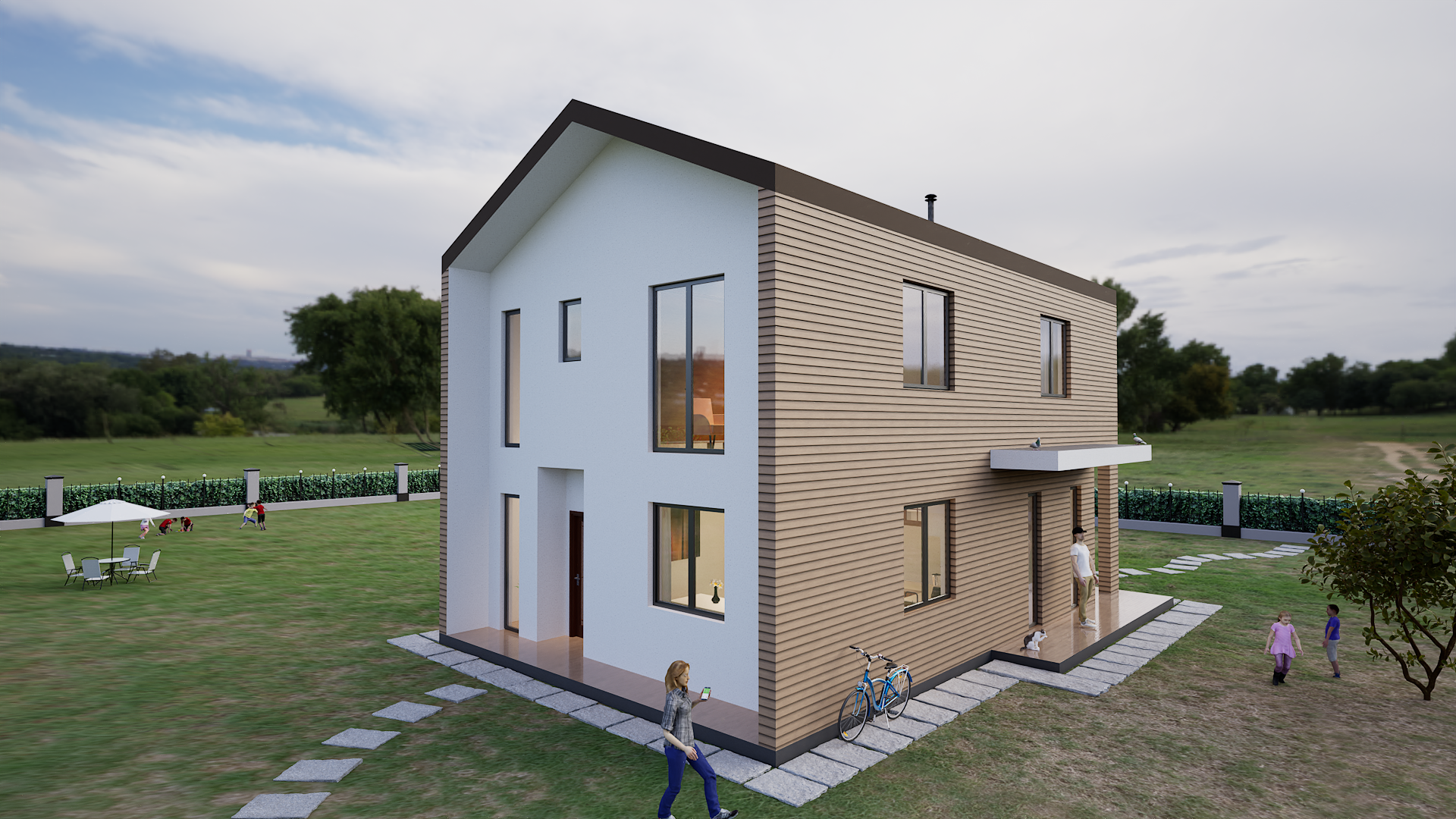
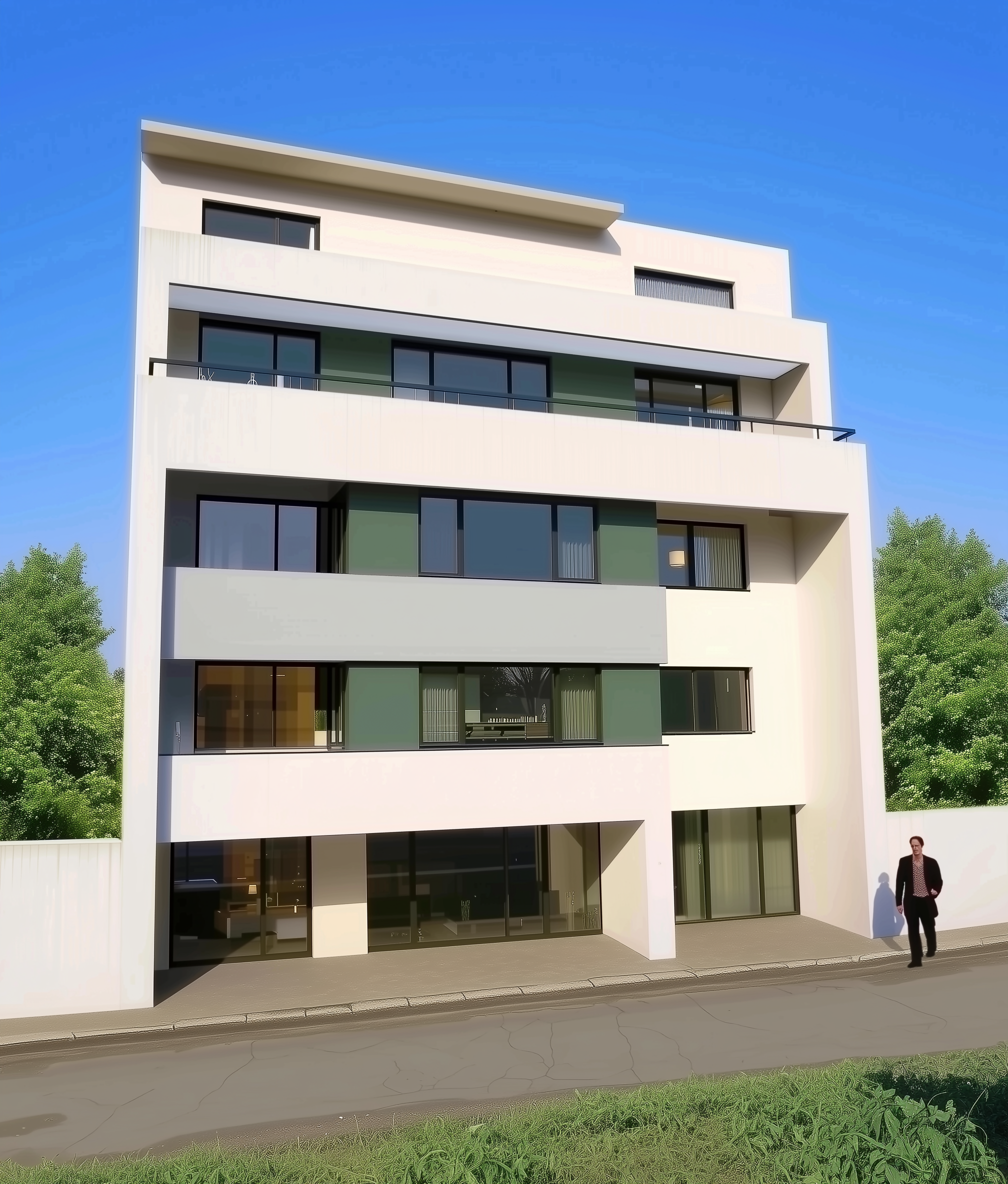
• Exterior visualization of residential, commercial, and institutional buildings

    Exterior visualizations of residential, commercial, and institutional buildings and their surroundings, with a focus on showcasing architectural design, materials, colors and landscaping elements. These images capture the essence of the project’s aesthetic, highlighting the interplay between structure, the play of light and shadow, texture, color and the natural environment to create a compelling visual narrative.

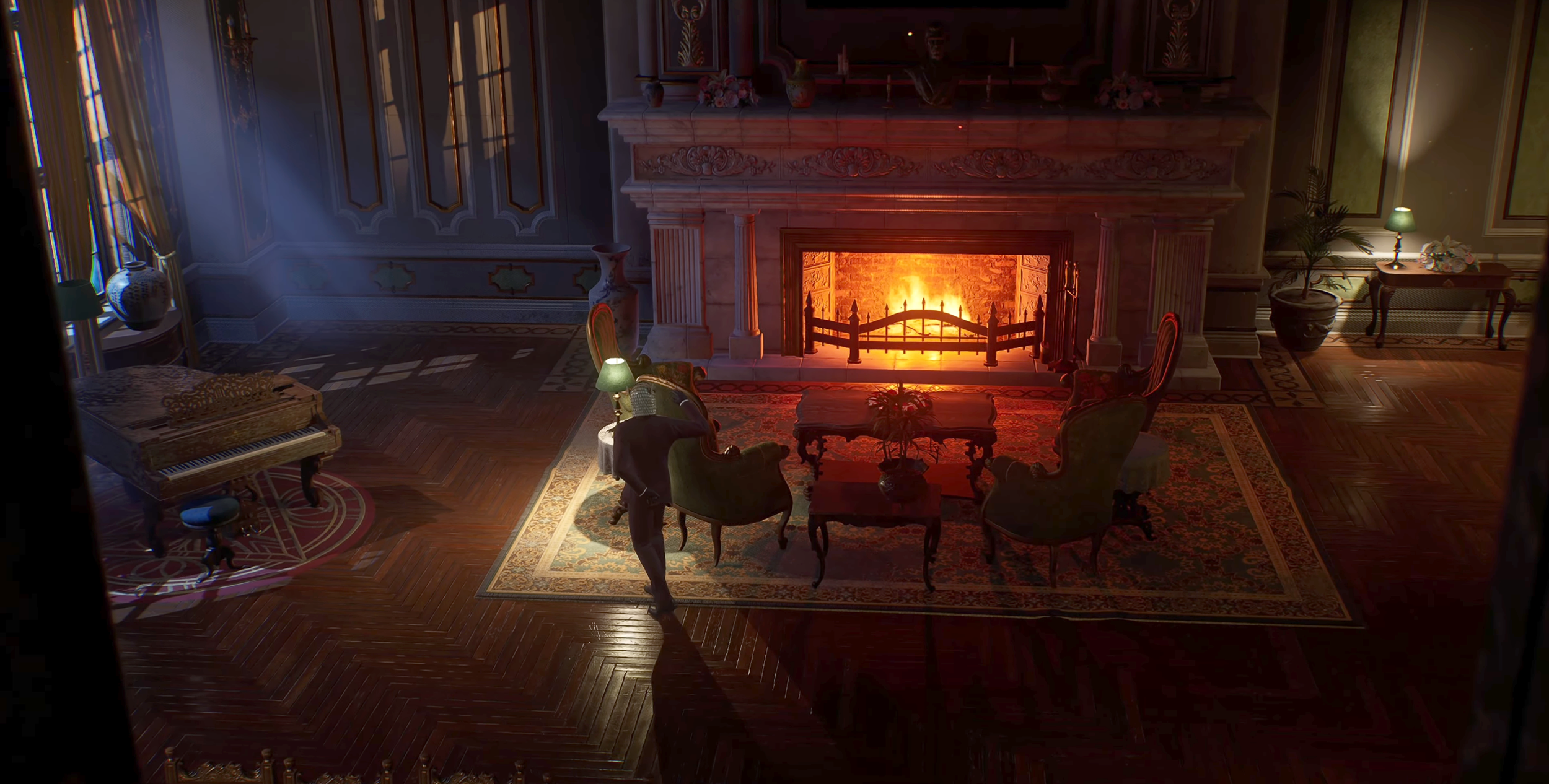
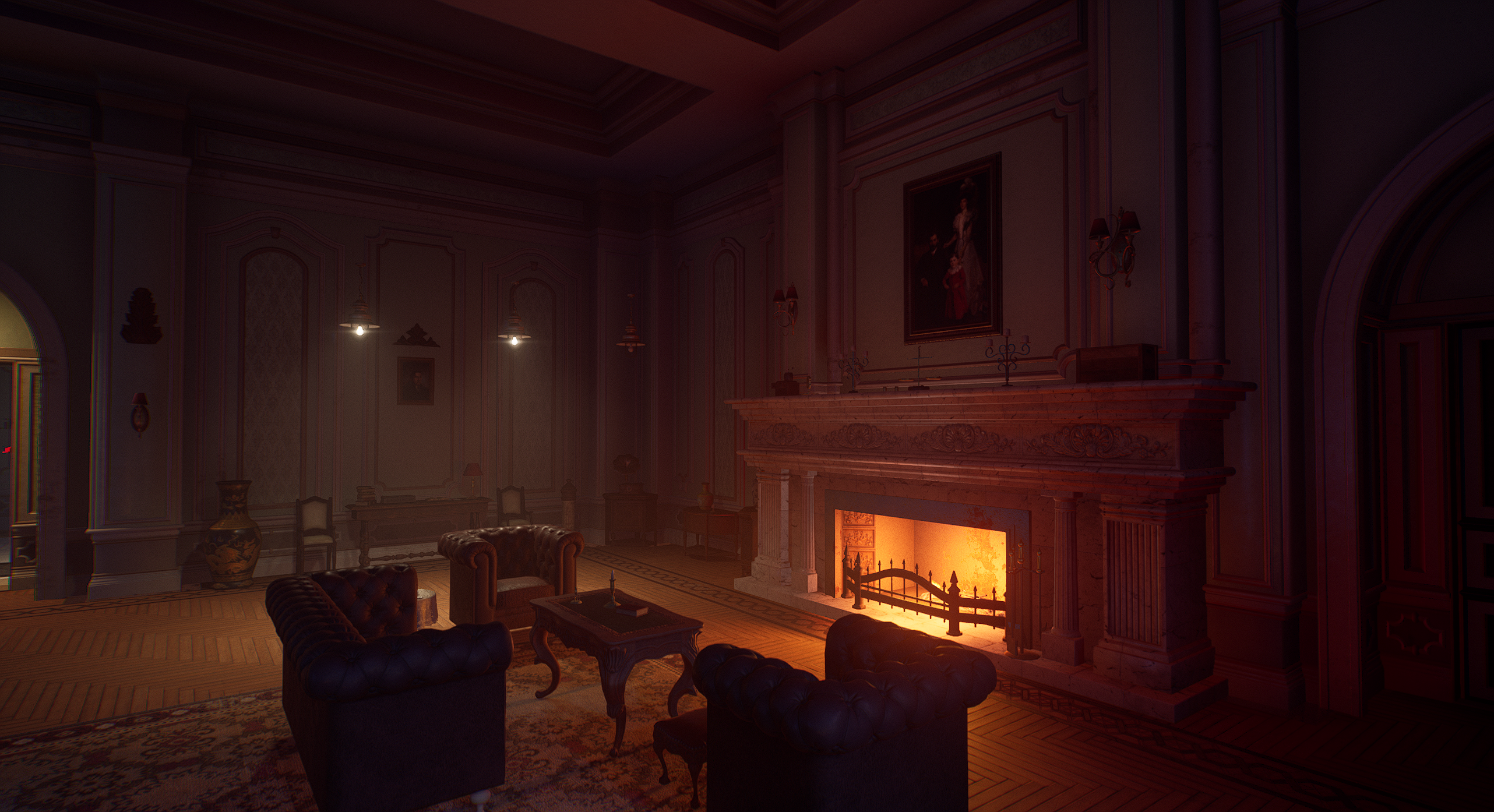
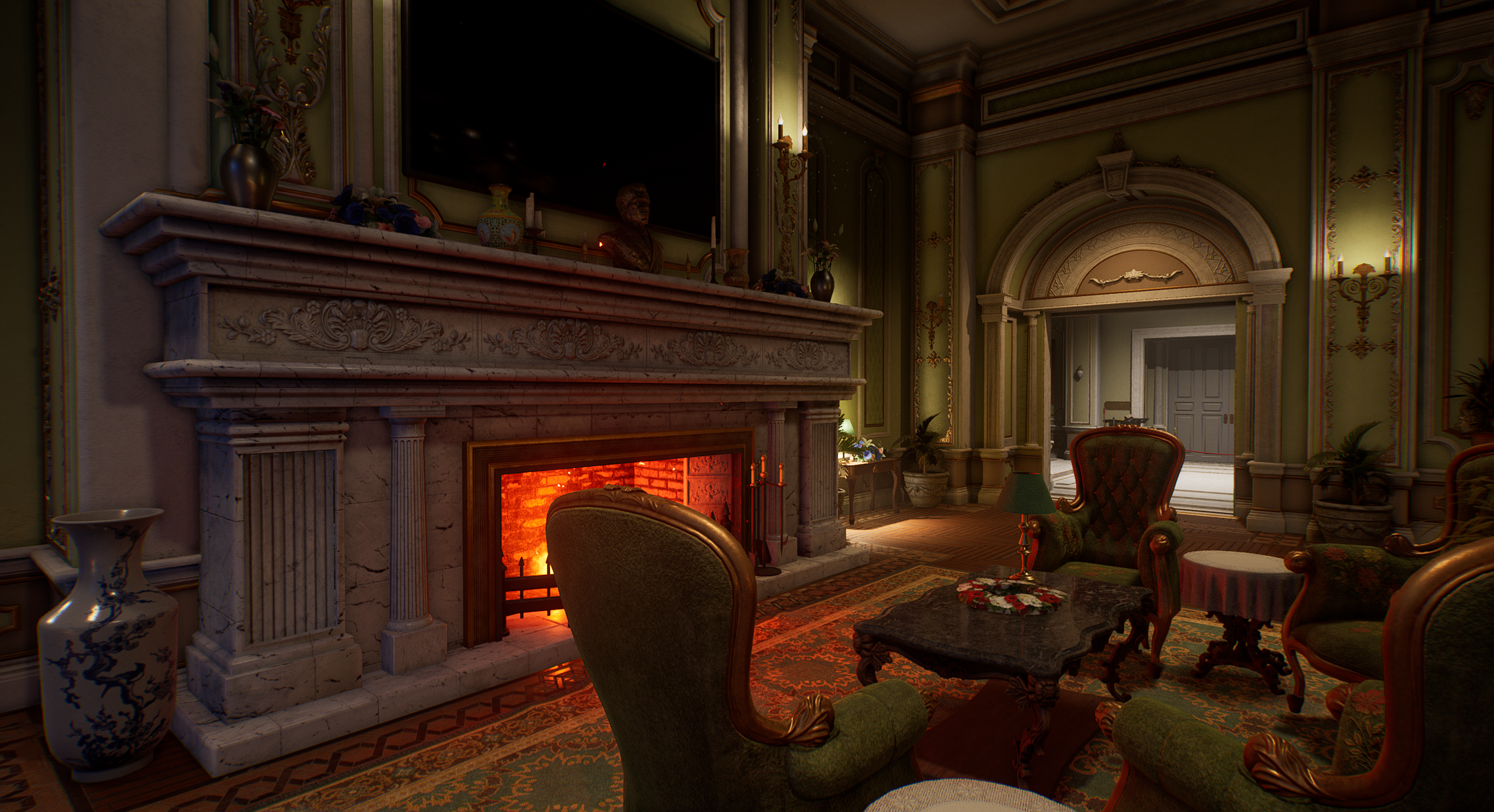
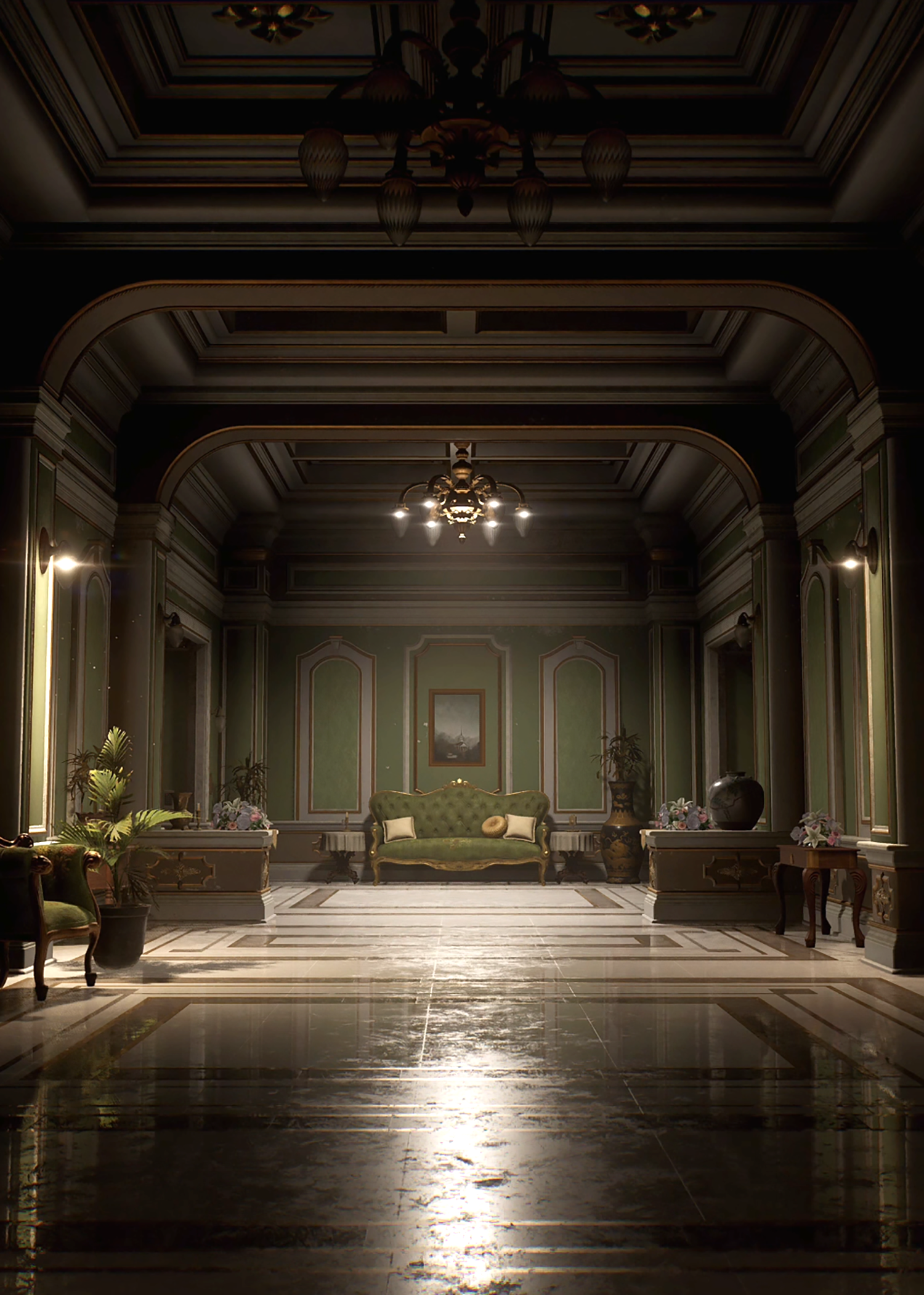
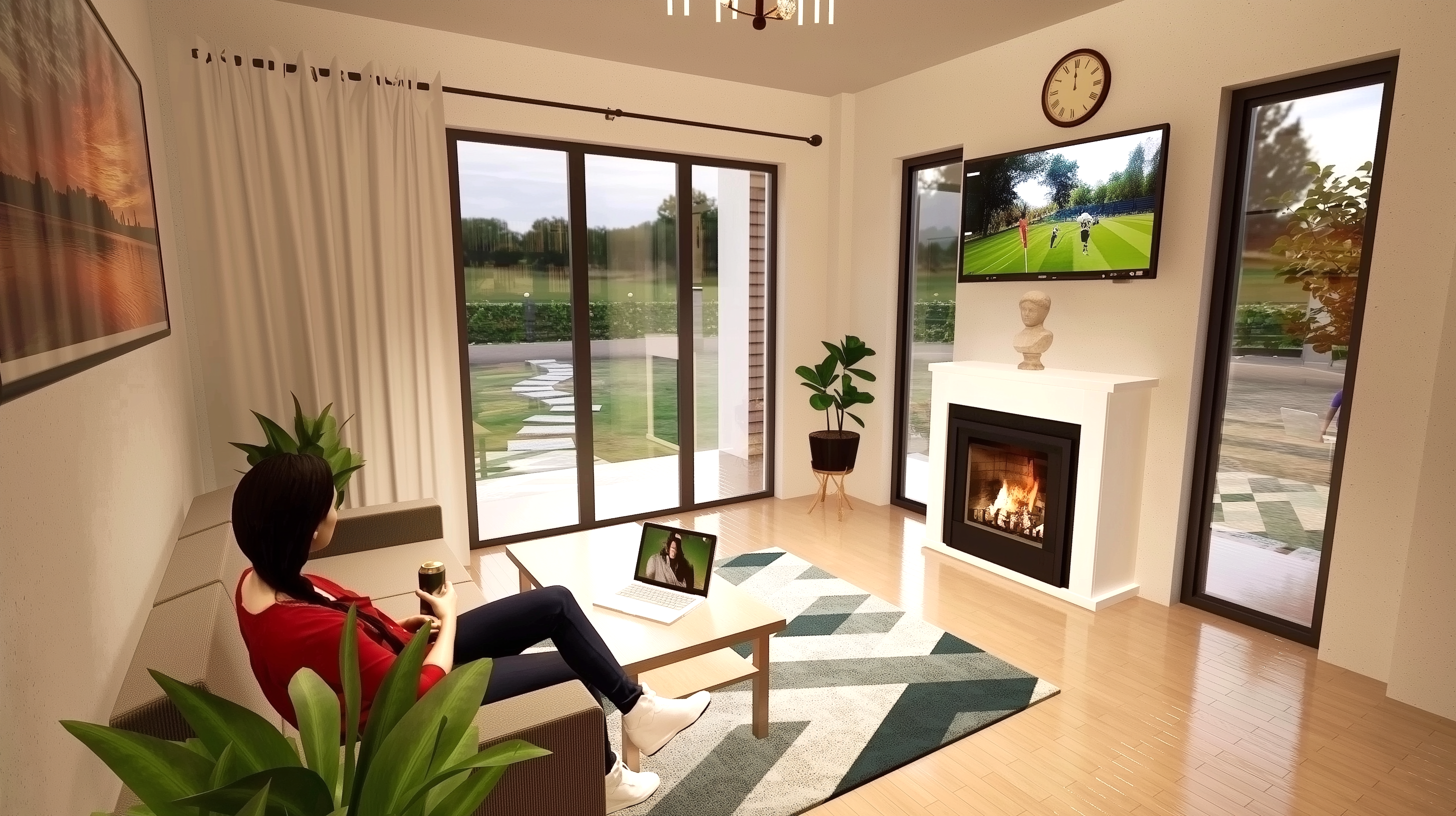
  • Architectural visualization of interior spaces

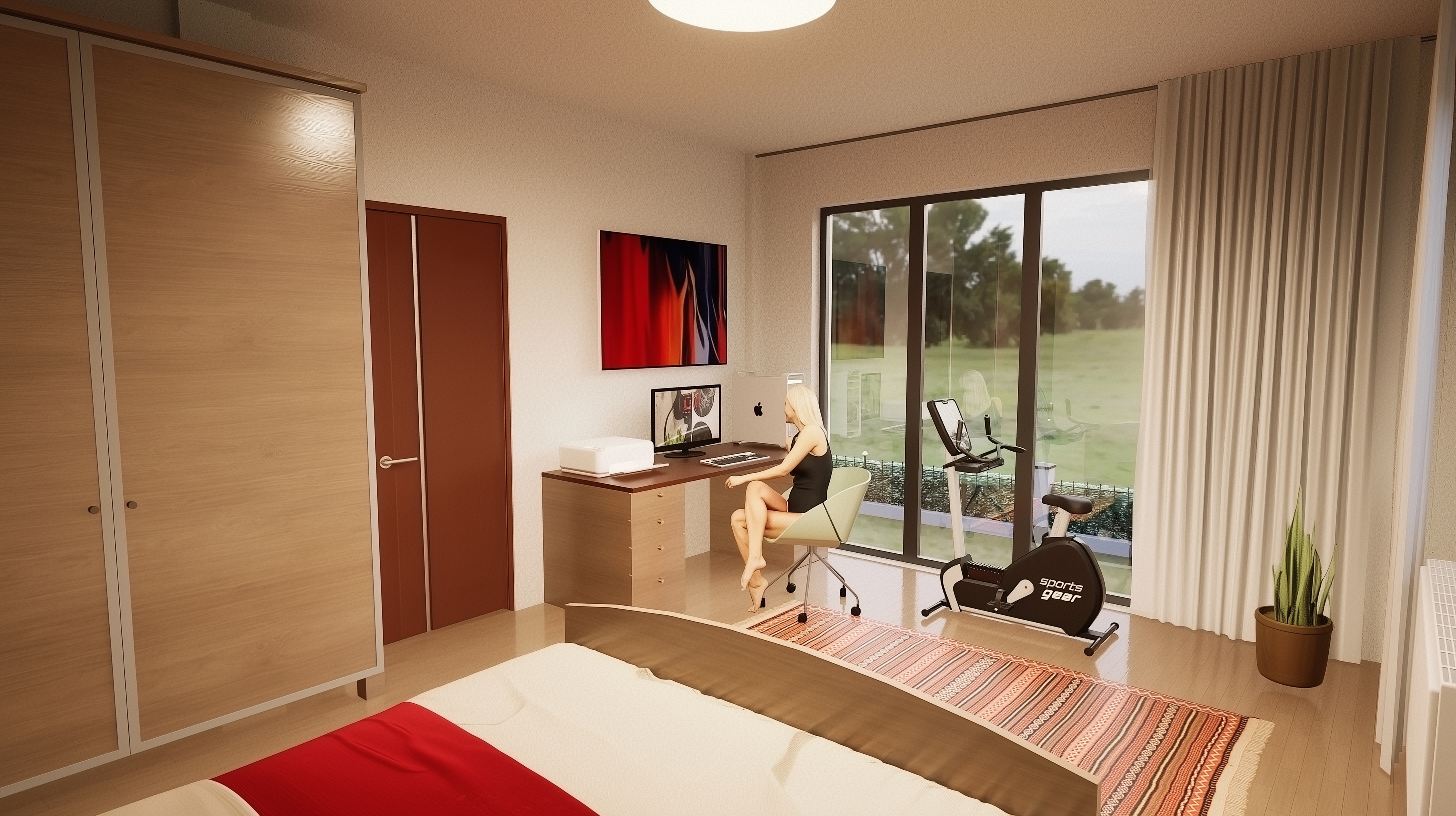
    Interior images designed to provide highly realistic and detailed visualizations of indoor spaces, capturing the intended atmosphere and design intent. These renderings illustrate how finishes, furniture and decorative elements come together, while also emphasizing the interplay of natural and artificial lighting—carefully tailored to reflect the unique character and functional requirements of each project.

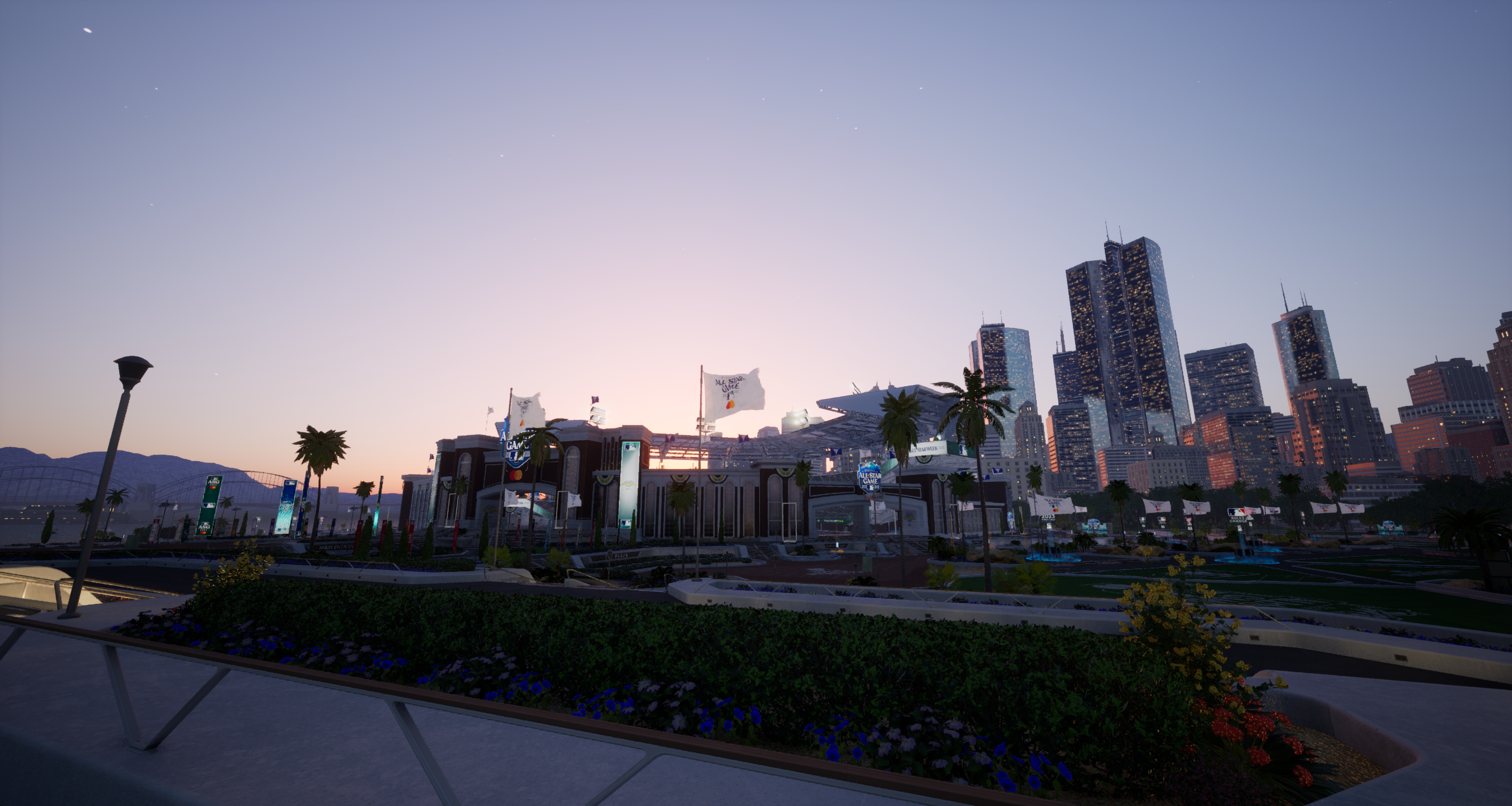
  • Exterior visualizations of residential and urban spaces

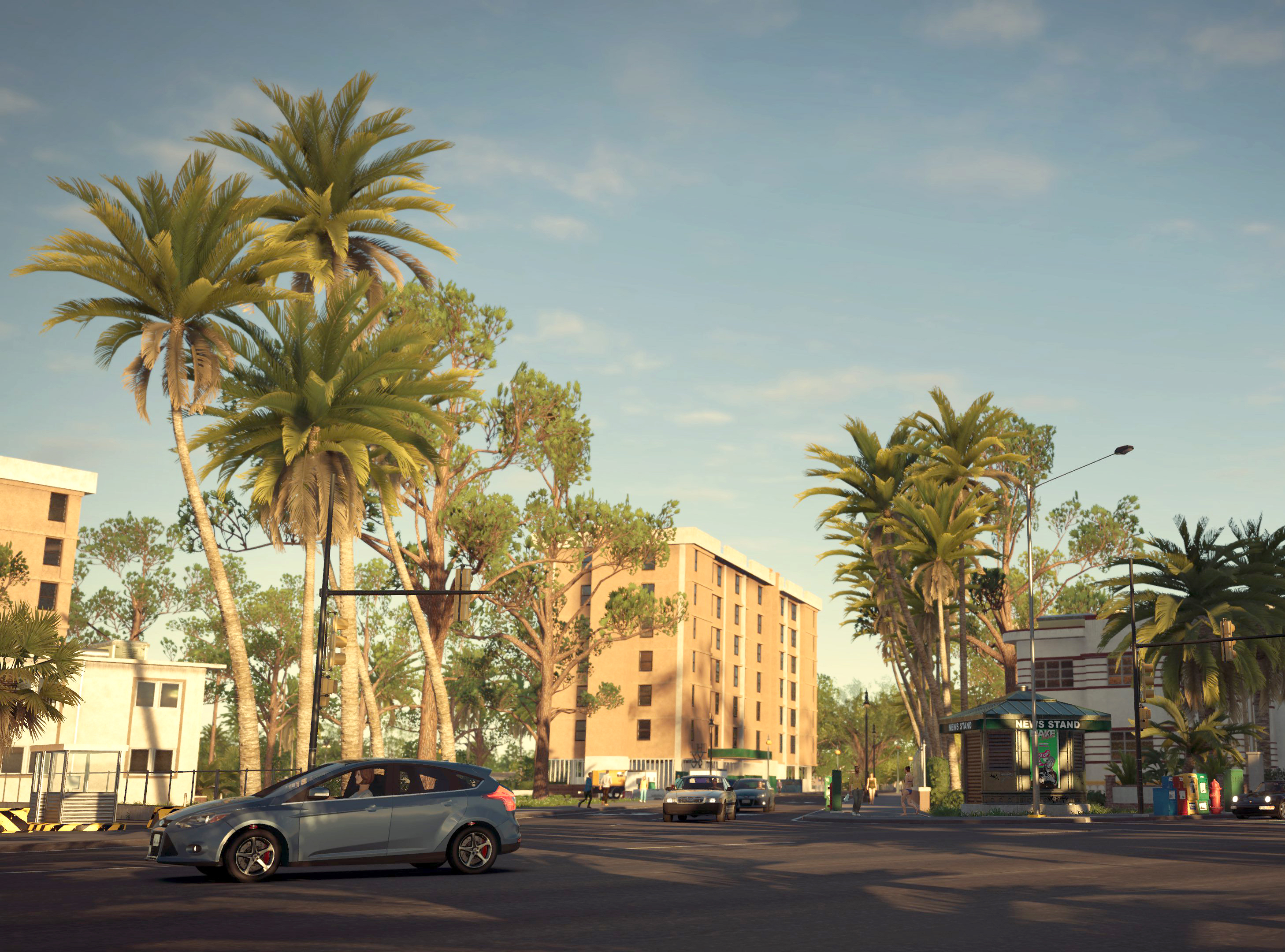
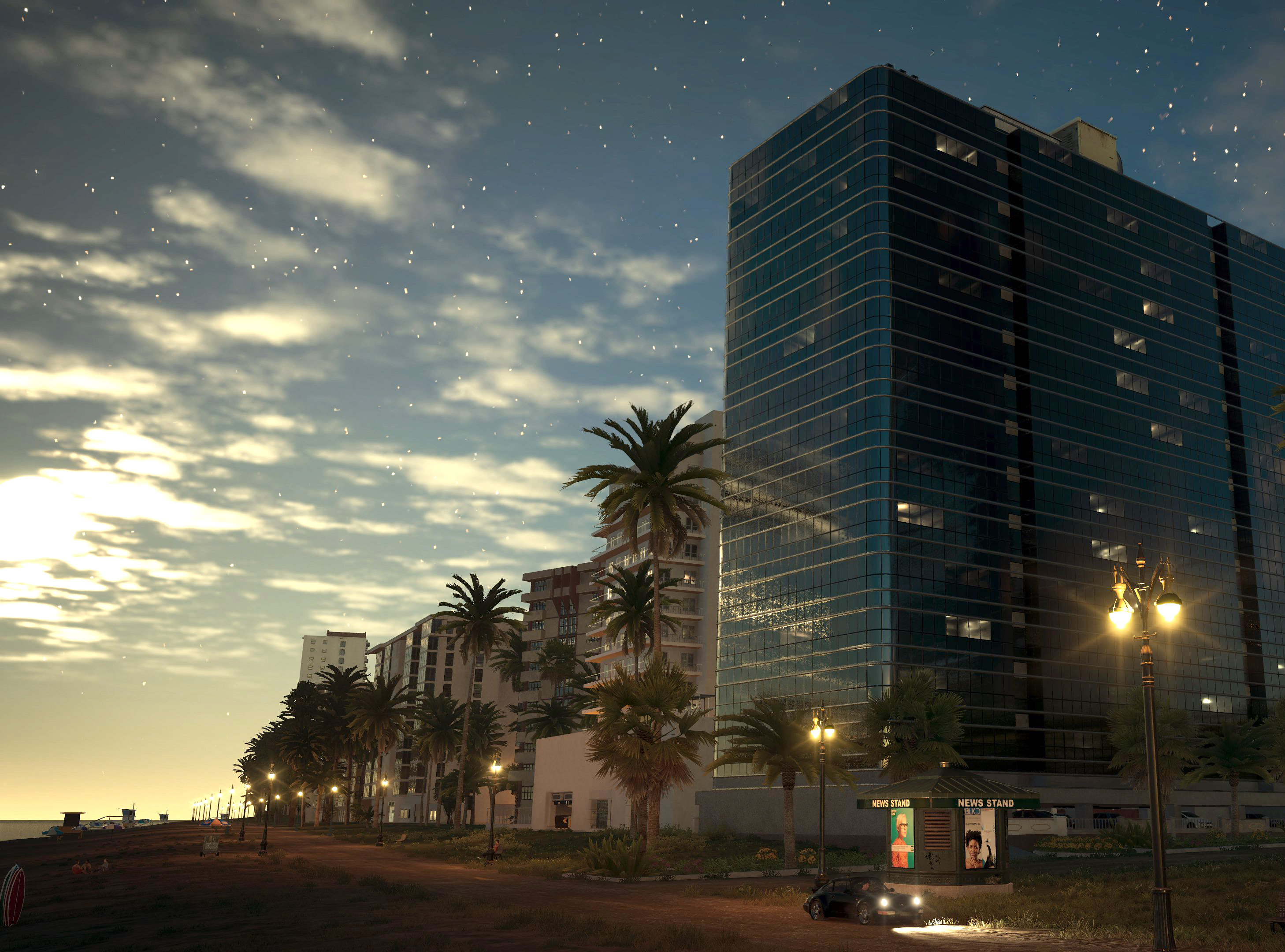
    3D visualization for expansive open spaces, including residential complexes, urban neighborhoods, public plazas, busy streets and serene rural settlements. This process involves creating detailed digital representations of these environments, capturing their unique architectural styles, landscape features and spatial layouts, while also considering elements such as pedestrian flow, natural lighting and the integration of greenery. These visualizations are designed to provide a realistic sense of scale and atmosphere, supporting architectural presentations, urban planning and real estate marketing.

  • Visualizations for heritage buildings

    Architectural visualizations play a crucial role in the preservation, restoration, and promotion of heritage buildings, museums, and churches. They help stakeholders understand the historical and cultural value of a site, facilitate accurate restoration work, and allow the public to engage with these landmarks in meaningful ways. High-quality visualizations also support funding efforts and project approvals by clearly communicating design intentions and the impact of proposed interventions.

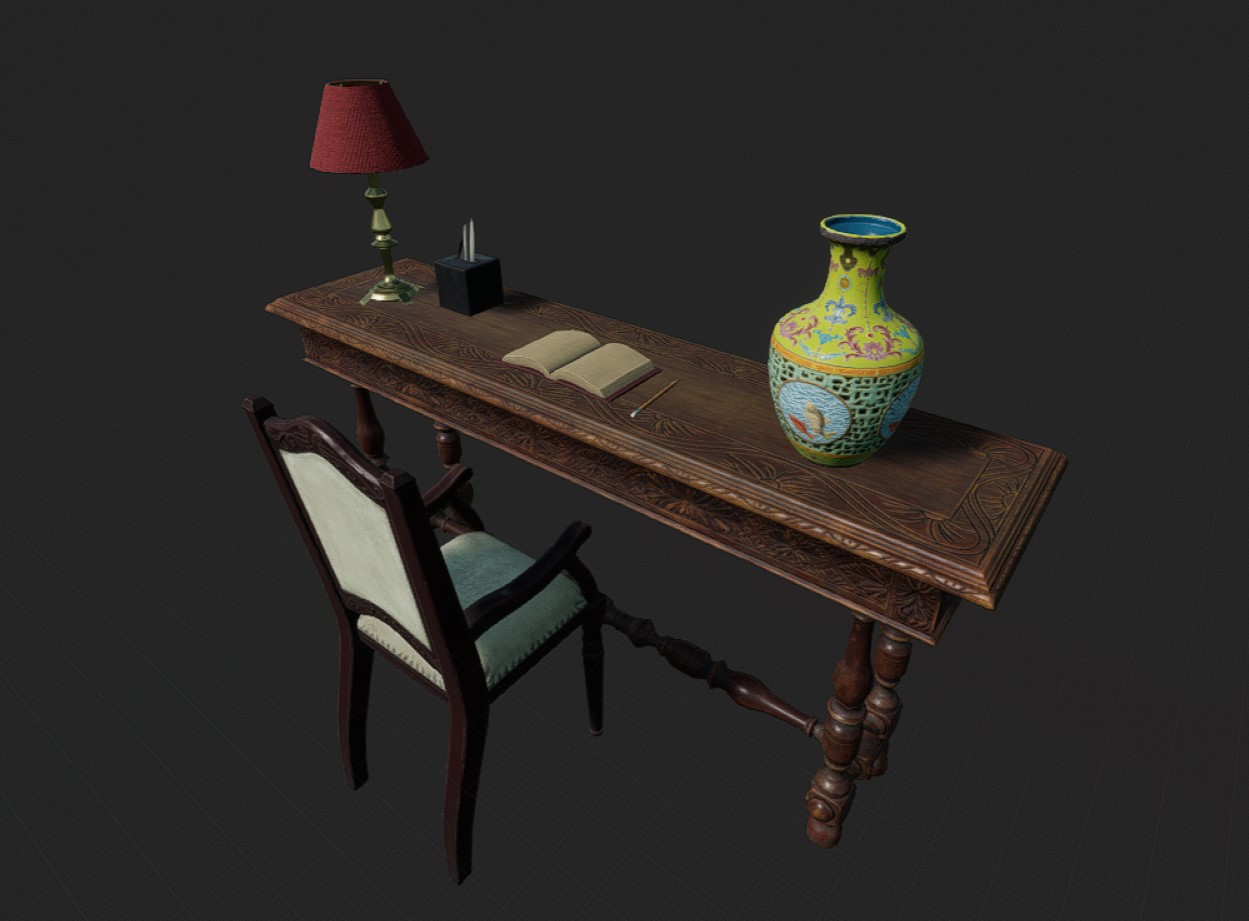
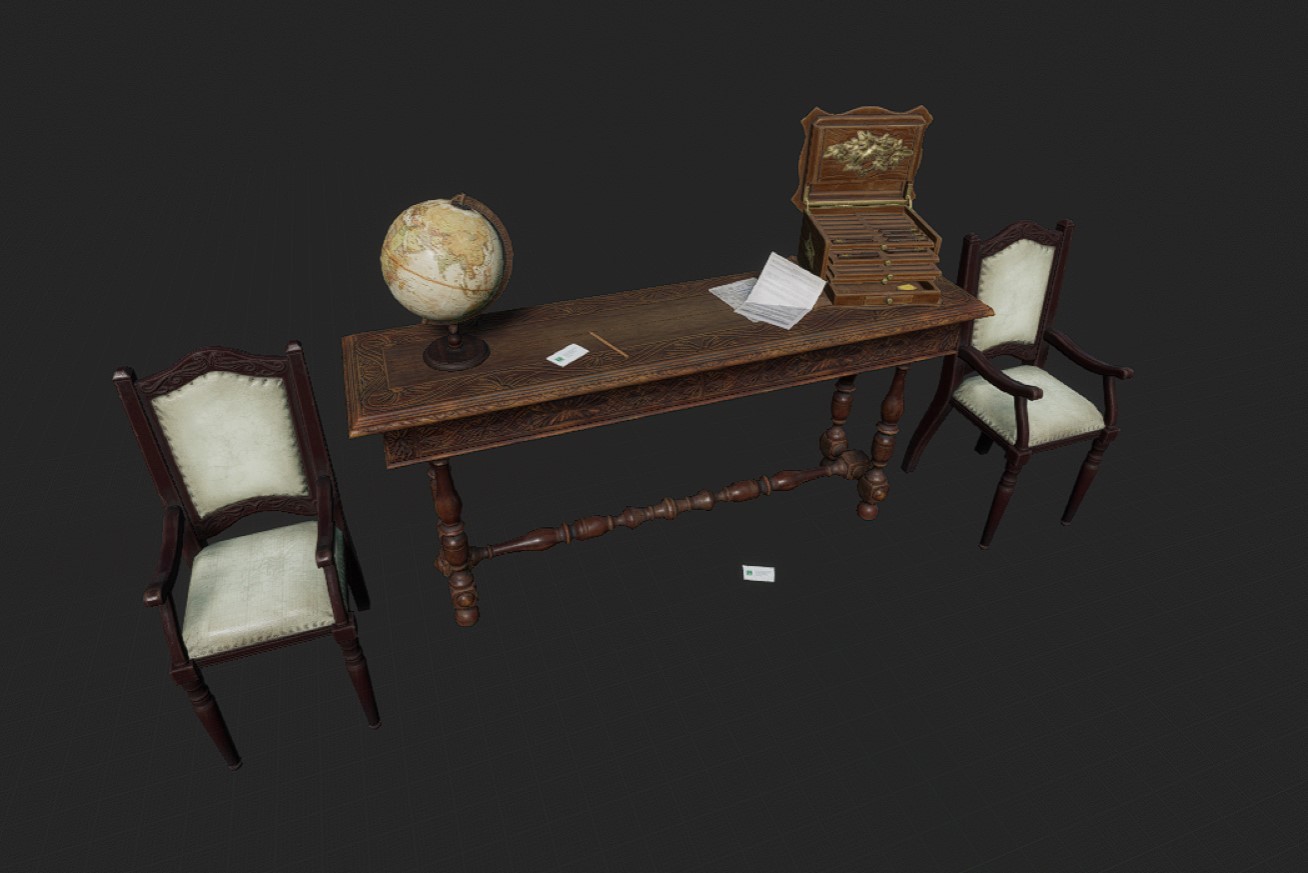
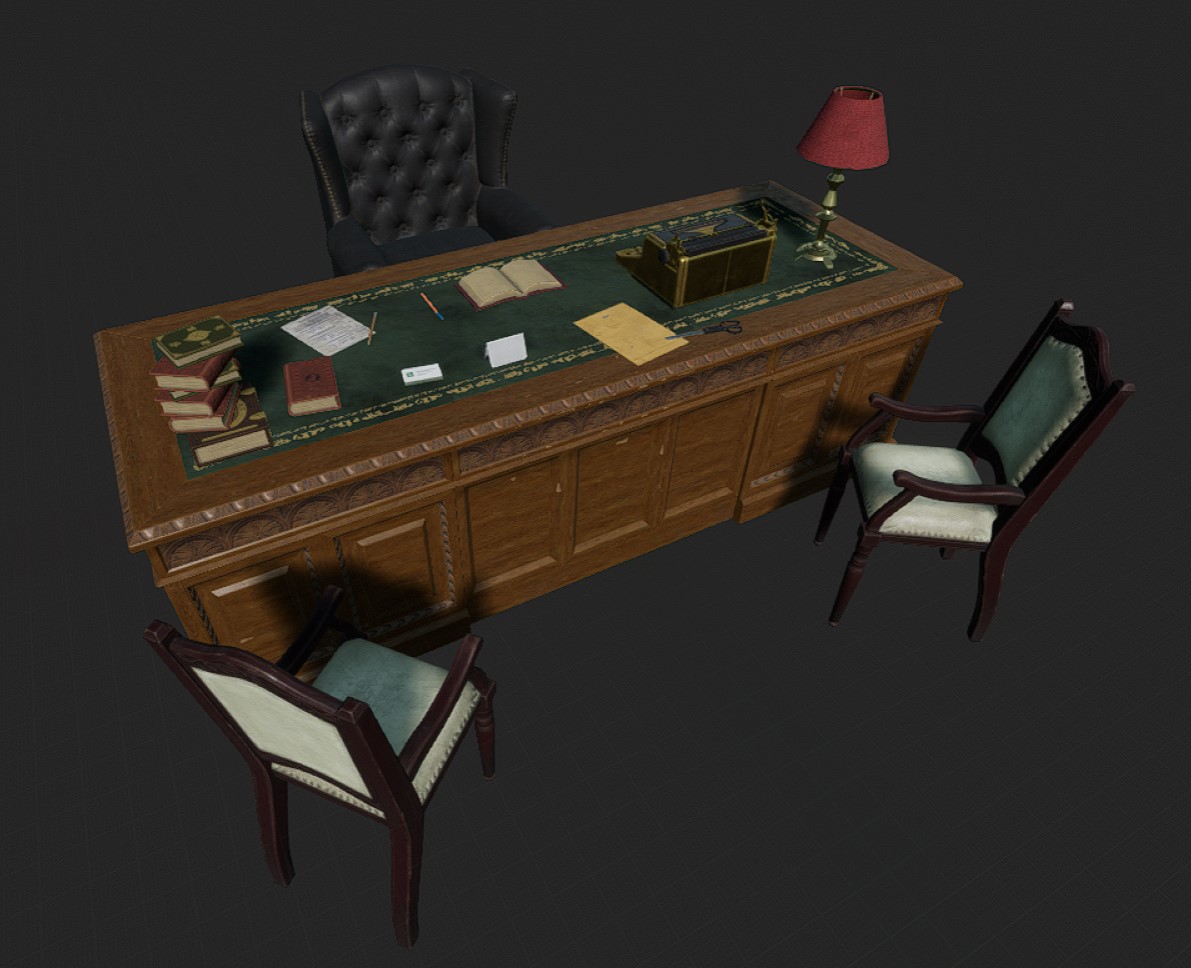
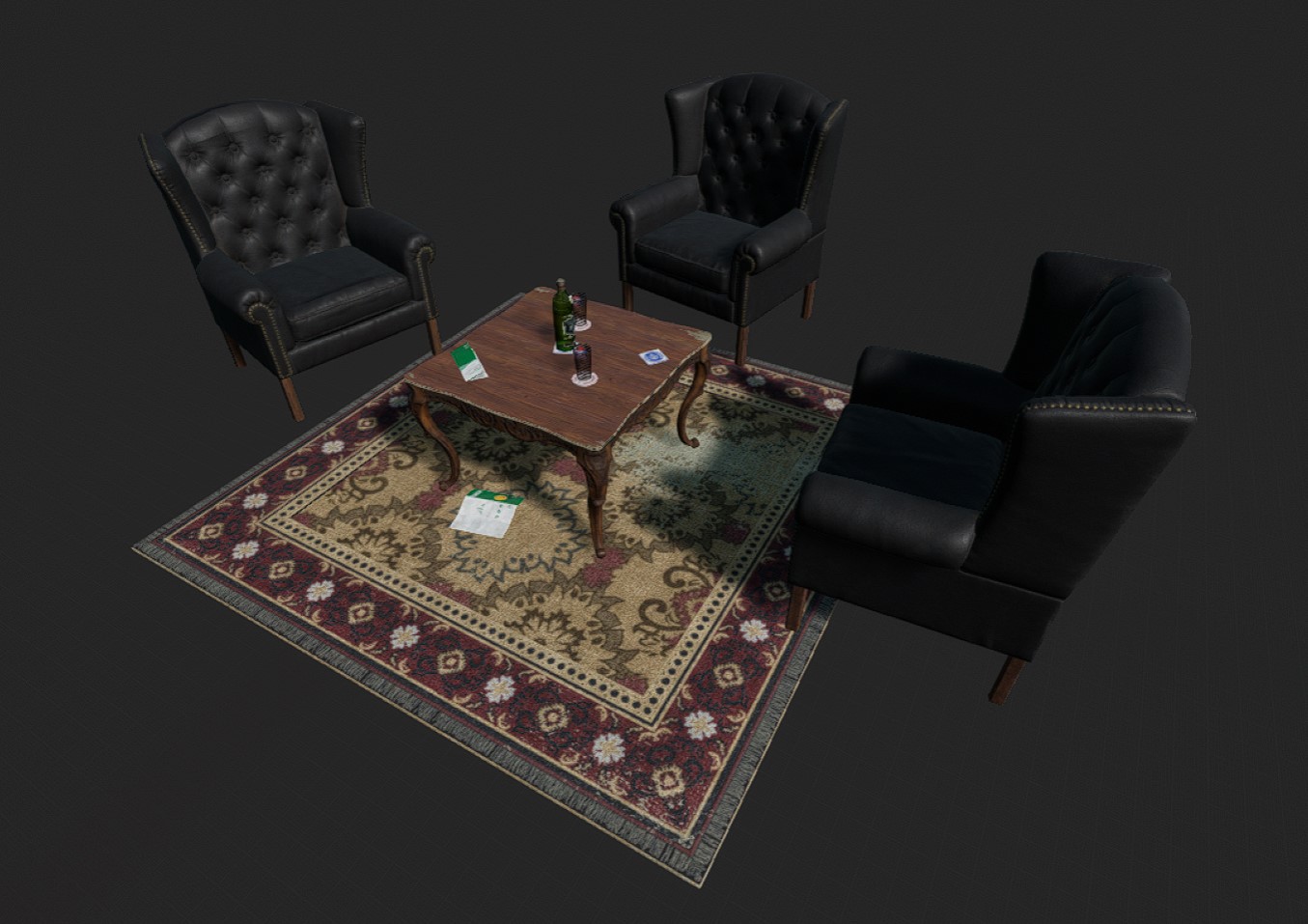
  • 3D modeling and rendering for furniture

    3D modeling and rendering of highly detailed furniture models, meticulously crafted to capture the unique characteristics, materials and craftsmanship of each piece. This process includes accurate modeling, texturing and lighting to ensure that the final visuals effectively showcase the furniture’s form, function and aesthetic appeal, making them suitable for use in high-quality architectural visualizations, virtual staging and product presentations.

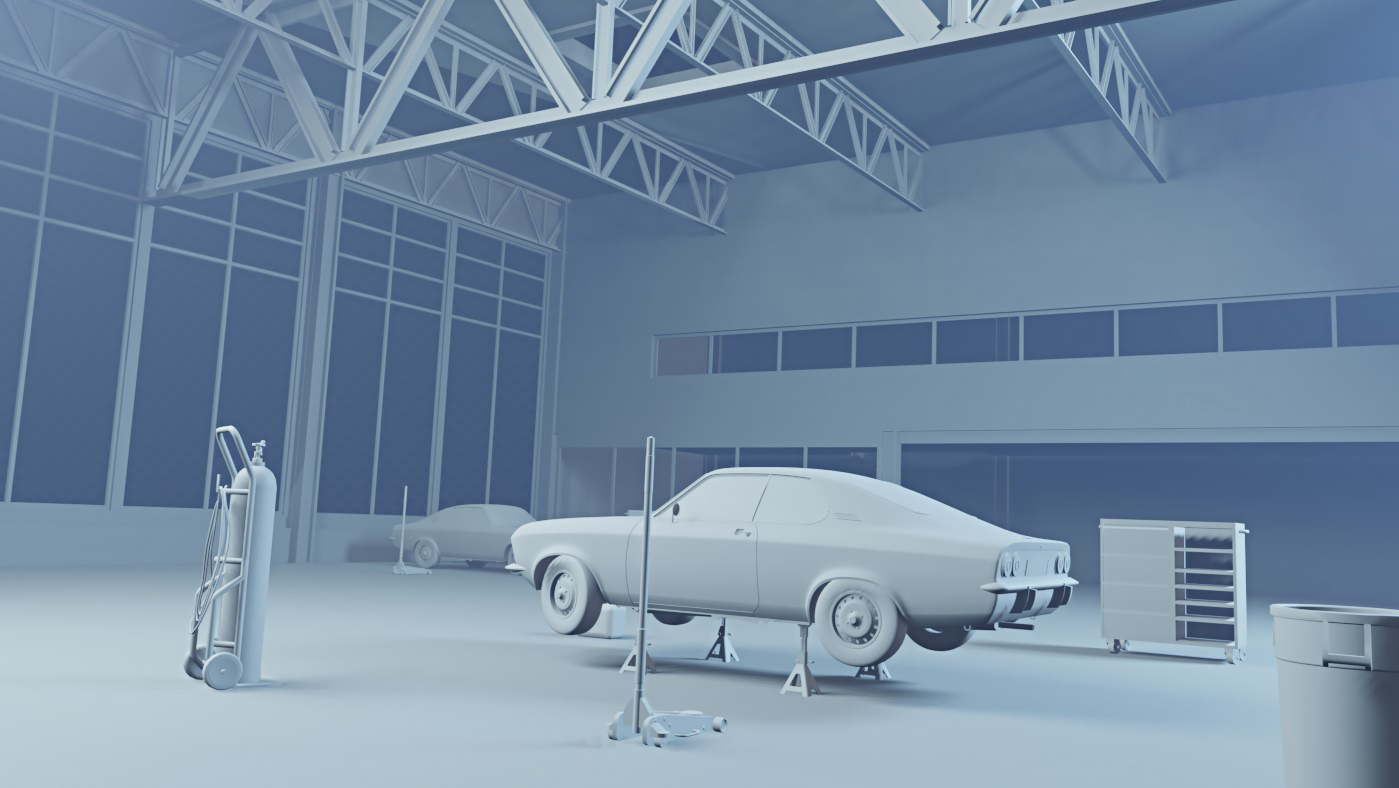
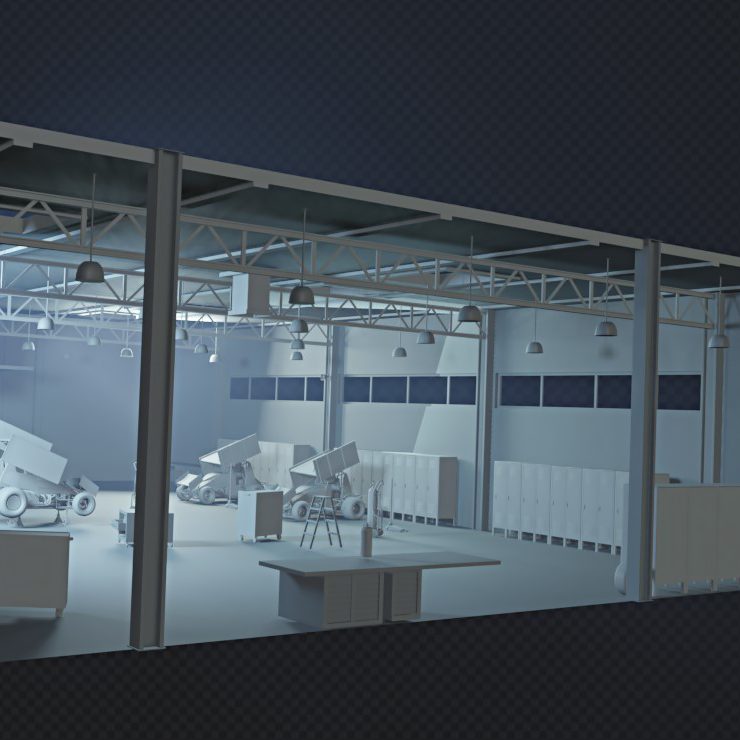
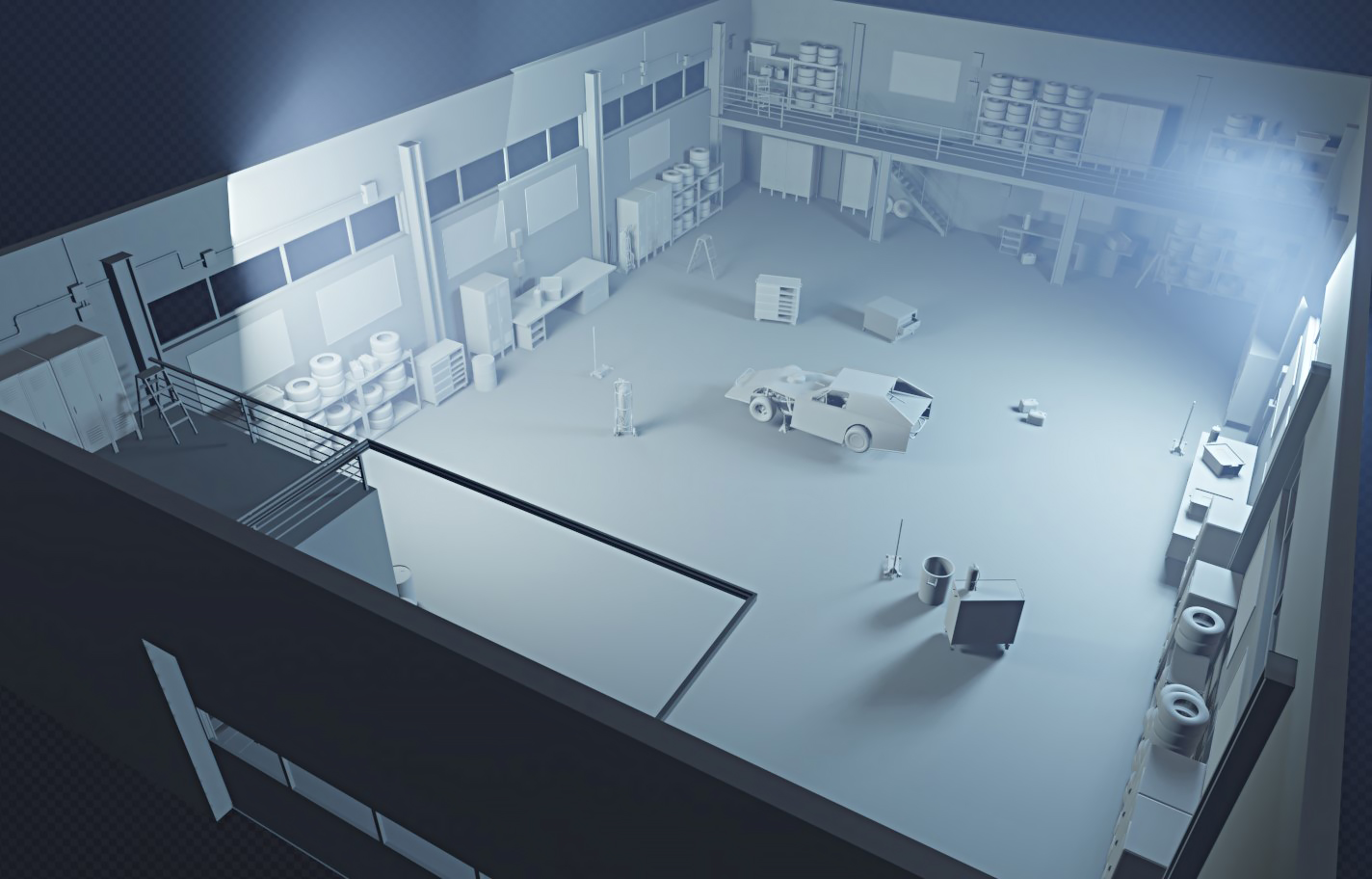
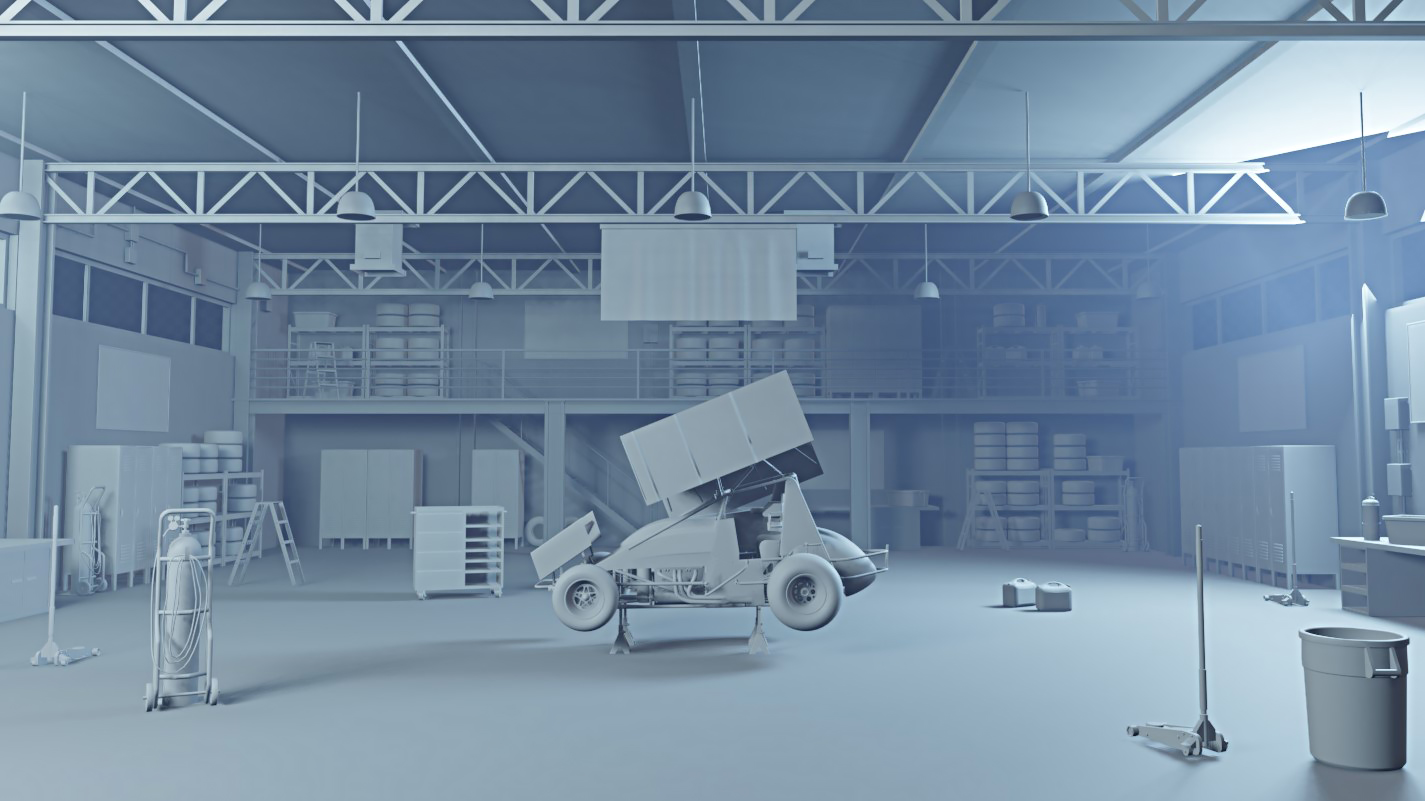
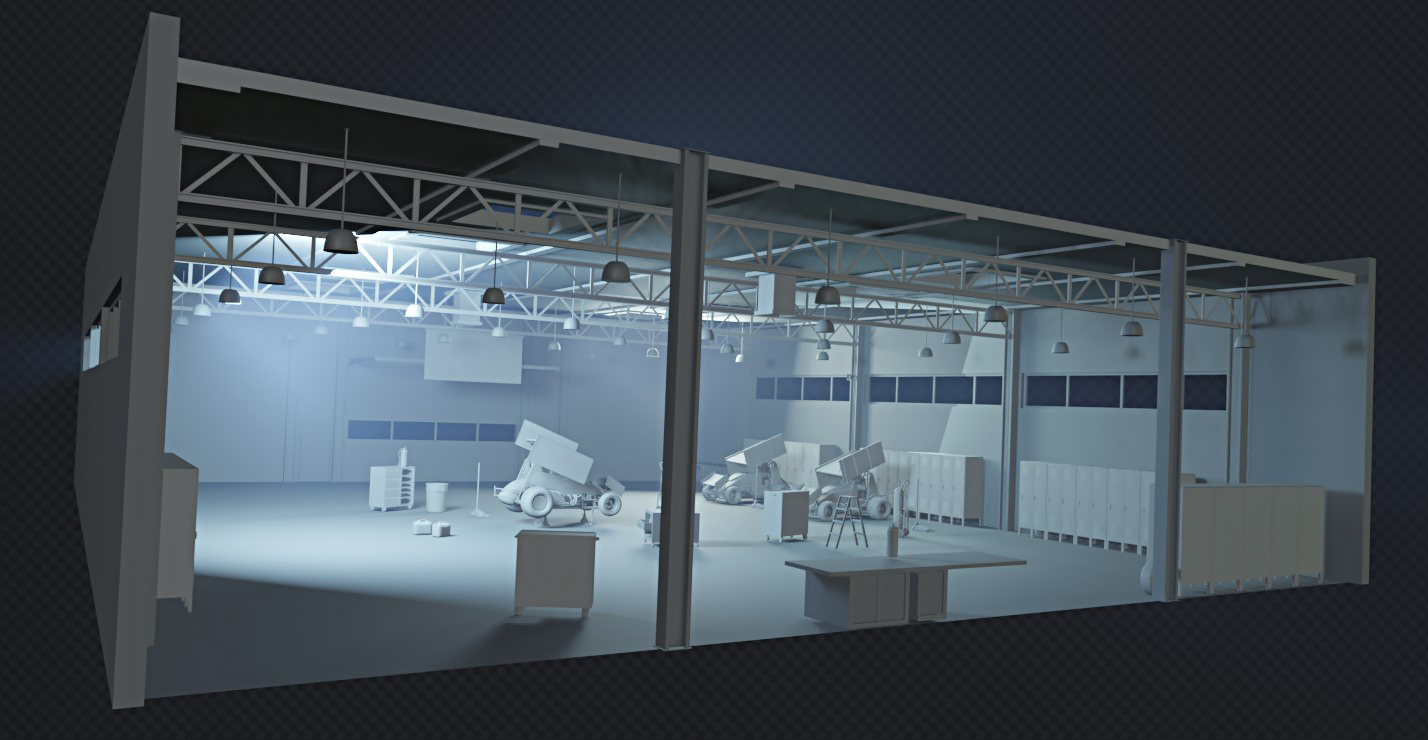
  • Volumetric greybox renders

    Fast, material-free 3D renderings designed to emphasize the overall spatial volumetry and architectural massing, providing a clear understanding of the project’s form, proportions and layout. These simplified visualizations are particularly useful in the early design phases, allowing architects and designers to quickly explore different concepts, test spatial relationships and make rapid adjustments without being constrained by detailed materials or textures. This approach ensures a more flexible and efficient design process, facilitating creative experimentation and faster decision-making.